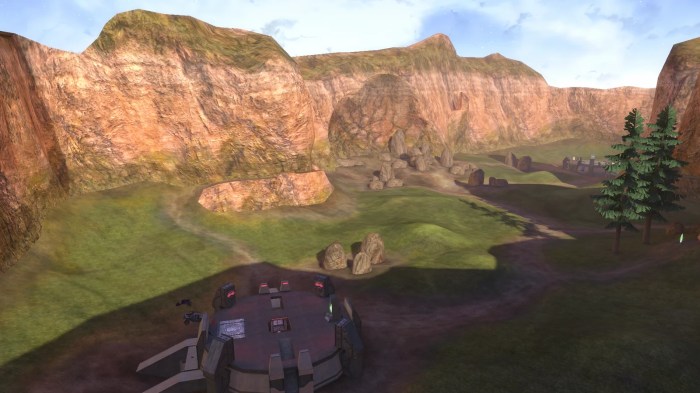
Overview of Halo Campaign Evolved Multiplayer Maps: Halo Campaign Evolved Multiplayer Maps 2026
The Halo Campaign Evolved multiplayer maps set for 2026 represent a significant leap in both gameplay mechanics and design philosophy from previous titles in the franchise. Designed to enhance player engagement, these maps incorporate lessons learned from past iterations while introducing fresh elements that redefine the multiplayer experience. The evolution seen here not only enhances the thrill of competition but also fosters a deeper connection among players, making every match feel unique and exciting.
The multiplayer maps of 2026 build on the foundations laid by earlier Halo games, featuring improved graphics, more intricate layouts, and advanced gameplay mechanics. This evolution is crucial in keeping the franchise relevant and appealing to both new and veteran players. Multiplayer maps serve as the backbone of the player experience, offering diverse environments that challenge players’ skills and strategies while promoting teamwork and camaraderie.
Notable Features of the 2026 Multiplayer Maps
The 2026 multiplayer maps come packed with innovative features that set them apart from earlier versions. Some of the standout attributes include:
- Dynamic Environments: Maps are designed to change over time, with environmental effects that influence gameplay, such as altering visibility or introducing new hazards.
- New Gameplay Modes: The introduction of modes like “Capture the Relic” encourages unique team strategies and objectives, adding depth to traditional gameplay.
- Interactive Elements: Players can manipulate certain map features to create tactical advantages, such as activating turrets or creating cover.
These features not only enhance the gameplay but also contribute to a more immersive experience, allowing players to interact with their surroundings in innovative ways.
Map Design and Layout Techniques
The design and layout of the 2026 multiplayer maps showcase advanced techniques focused on fostering competitive play. Key design elements include:
- Strategic Landmarks: Maps incorporate distinct landmarks that serve as navigation points and strategic objectives for players.
- Balanced Spaces: An even distribution of open areas and enclosed spaces encourages varied combat tactics and player interactions.
- Verticality: Incorporating multi-layered designs allows for complex movement and strategic positioning during matches.
These techniques help create a balanced competitive environment that caters to different playstyles and strategies, ensuring that no two matches feel the same.
Community Feedback and Testing
In the lead-up to the 2026 map release, community feedback played a pivotal role in shaping the final designs. A thorough player testing phase revealed valuable insights that directly influenced map development. Key aspects include:
- Beta Testing Sessions: Players participated in extensive testing, providing input on map flow, balance, and overall enjoyment.
- Incorporation of Suggestions: Notable changes were made based on community feedback, such as adjusting spawn points and improving sightlines.
- Ongoing Communication: Developers maintained an open dialogue with the community, allowing for real-time feedback and rapid adjustments.
These efforts highlight the importance of player involvement in the development process, ensuring that the final product meets the expectations of the community.
Comparison of Maps Across Halo Titles
When comparing the 2026 maps to those from earlier Halo titles, several consistent elements emerge alongside notable changes. Key points of comparison include:
- Consistent Themes: Core themes such as futuristic environments and sci-fi elements remain prevalent across all titles.
- Evolution of Gameplay: The introduction of new mechanics and technologies has transformed map interactivity, enhancing the overall experience.
- Player Preferences: The design trends have increasingly leaned towards player feedback, with more emphasis on accessibility and varied gameplay styles.
This analysis underscores the franchise’s ability to adapt while retaining its identity, responding to player preferences over the years.
Future of Multiplayer Maps in Halo, Halo Campaign Evolved multiplayer maps 2026
Looking ahead, the future of multiplayer maps in Halo appears promising, with several potential developments on the horizon. Innovations may include:
- AI-Driven Environments: The implementation of AI could lead to more reactive maps that adapt dynamically to player actions and strategies.
- Cross-Platform Experiences: Enhanced connectivity between platforms may introduce new opportunities for collaborative play across different devices.
- Integration of VR/AR: Emerging technologies in virtual and augmented reality may revolutionize map design, creating entirely new ways for players to engage with their surroundings.
These predictions indicate that player feedback will continue to shape future map designs, ensuring that the Halo franchise evolves alongside its community’s desires and technological advancements.